
Why Is My AC Not Blowing Cold Air? A Checklist for Homeowners
There’s nothing more worrying on a hot day than your AC not blowing cold air. We depend on that cold air to manage the heat and cut through the humidity. But, if your air conditioning unit isn’t up to the task, you may find that your indoor air is, well, a little too similar to the outdoor air.
When your air conditioner isn’t functioning properly, your initial instinct may be to reach for your phone. However, before calling, there are a few things you can investigate that may reveal the source of the hot air. Whether it’s a dirty evaporator coil, a clogged air filter, an improper thermostat setting, you may be able to diagnose the problem yourself.
Common Causes of AC Not Blowing Cold Air
If your AC unit is blowing warm air, there are a couple of simple issues that you may be able to diagnose yourself. While it’s recommended that you call a technician to address major issues, minor problems – and oversights – can often be corrected without help.
Of course, if you aren’t comfortable working your air conditioner, you should always reach out to a residential HVAC professional.
Incorrect Thermostat Settings
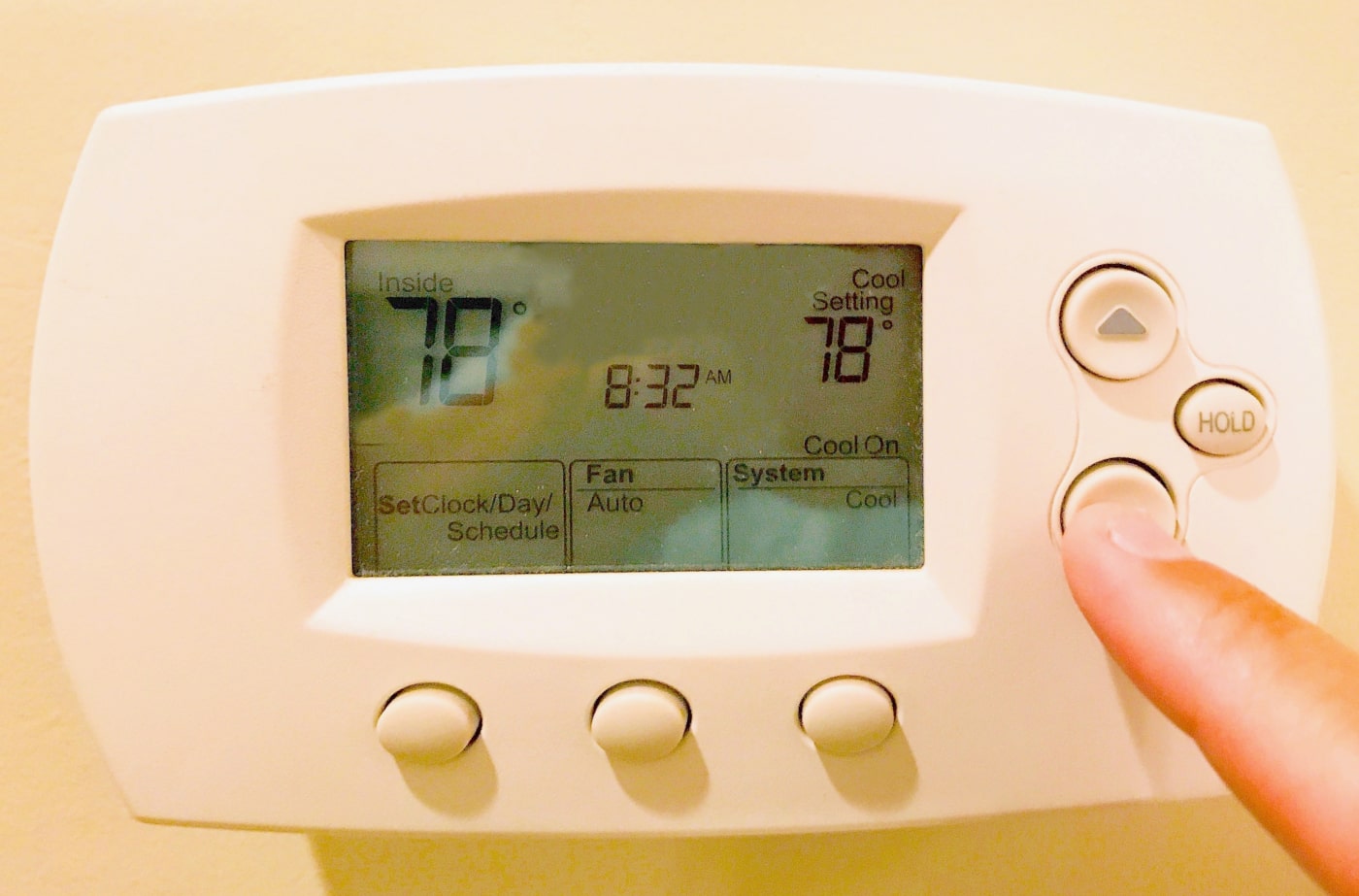
It may sound simple, but one of the first things you should check is whether your thermostat is set correctly. If you haven’t updated your winter settings yet, your thermostat may not be telling your AC system to turn on. Modern smart thermostats can help to alleviate this problem by letting you create seasonal schedules that adjust automatically.
Dirty Air Filters or Clogged Filters
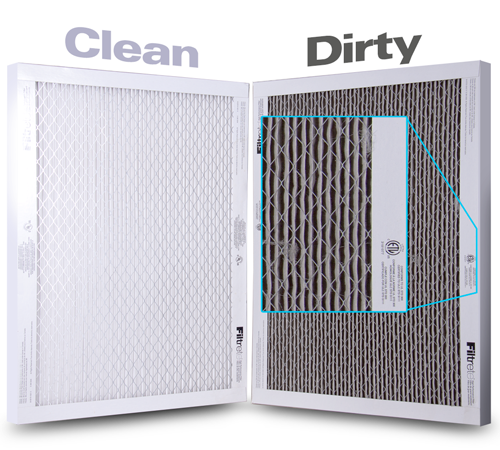
A blocked air filter can cause your air conditioning system to malfunction and blow warm air. Luckily, this is an extremely easy fix. Remove your filter, inspect it for debris, and replace it if necessary. In most cases, it’s recommended that you replace dirty filters every three months.
Blocked Condenser Unit
Made of thin aluminum fins, your AC unit’s condenser unit draws heat out of your home and releases it outdoors. If it’s become blocked, clogged, or damaged, it can restrict airflow and force your system to work harder. As a result, you’ll experience uneven cooling, higher energy bills, and – worst of all – potential equipment damage.
Leaking or Low Refrigerant
Unfortunately, refrigerant leaks are an issue that requires professional help. Difficult to diagnose without special tools, it’s best to call a pro if you suspect your refrigerant lines are damaged.
Ice Buildup on the Unit
During heatwaves, it’s not uncommon for air conditioning systems to become overworked, which can clog filters, damage evaporator coils, and cause ice to form. If you see ice on your system, turn it off until the ice is fully melted. Then, if it still refuses to blow cold air, call a professional.
Frozen Evaporator Coils
On the subject of ice, a failing evaporator coil can cause your AC unit to blow hot air. If you’ve already noticed ice on your unit, it’s likely an issue with the coil. But, malfunctions could also be caused by dirt, debris, or blockages that you’re able to clear yourself with a soft bristled brush.
Improperly Sized Air Conditioning Unit
Whether it’s oversized or undersized, AC units that aren’t the correct size for your home can cause big issues. If it’s too large, it’ll short cycle (meaning it turns on and off repeatedly), which can cause your home to feel clammy, humid, and unevenly cooled. And, if it’s too small, it will run continuously without ever reaching the correct thermostat setting.
Damaged Heat Pump
If your home’s heating system uses a heat pump for cooling, it may have become damaged. Heat pumps can be affected by a lot of the same things that can affect AC units can affect heat pumps, including dirty coils, refrigerant leaks, and sensor problems. Since these units are often more complicated than traditional HVAC units, it’s best to call a professional if you suspect that something may be wrong.
Dirty Air Compressor
If all else fails, your air conditioner may have a dirty AC compressor. Caused by a buildup of debris, it can limit the unit’s ability to transfer heat and create cool air. Sadly, this is an issue best fixed by an AC technician with the tools necessary to do the job properly.
How to Fix an Air Conditioner Not Blowing Cold Air
If your air conditioning system is blowing warm air, it may not be too difficult to get it working properly. Assuming it’s a minor fix, you can probably even make a couple of small adjustments and hopefully won’t need a new air conditioner.
Reboot Your Thermostat
First things first, if you know that your thermostat settings are correct, you may need to do a quick reboot to get them to work properly. If you’re not sure how to reboot your thermostat, you can easily power it off and then back on by flipping the circuit breaker that controls your HVAC system.
Change Out Dirty Filters
It’s important to change your system’s air filters on a regular basis. If it’s been too long since your last filter change, it can cause your AC unit to malfunction, which can result in uneven temperatures. Luckily, it’s extremely easy to change air filters on most HVAC systems.
Check Your Vents
If your home is struggling to cool one particular room, it’s possible that the vents or air ducts are blocked. It’s not uncommon for furniture, home decor, or other items to get pushed over your vents, blocking the airflow and preventing your system from properly cooling certain areas or zones of your home. To correct this, simply rearrange your home’s furnishings to ensure that they don’t obstruct your vents.
Clean Your Condenser Coil
If your condenser unit has become clogged with leaves, sticks, or other debris, you’ll need to clean it to restore full functionality to your HVAC unit. First, ensure that you’ve turned your system off. Once it’s off, use diluted soap and hose to gently rinse the unit and dislodge any debris.
Defrost Your Evaporator Coil
When ice builds up on your evaporator coils, it can restrict airflow and result in your AC not blowing cold air. To remove the ice, simply turn your AC unit off, allow the ice to melt, and then restart the system.
Other Air Conditioning Issues
For other, more complex issues with your AC or central air system, you’ll likely need to consult with a professional. Larger issues can be things like refrigerant leaks, compressor failure, and air duct leaks. In some cases, a new AC system may be necessary. However, the team at R.W. LaPine will always work with you to find solutions that are in your budget.
Want the Opinion of a Professional HVAC Technician?
At R.W. LaPine, we have the tools, knowledge, and experience necessary to address all issues with AC systems. Whether you have a refrigerant leak, poor air quality, or warm air blowing from your unit, we can help. Since 1944, we’ve worked with Kalamazoo residents to ensure their homes stay cool, comfortable, and safe.
So, if you’ve noticed your system isn’t blowing cool air, we encourage you to reach out to us today. With experience working on a wide range of HVAC systems, we’ll walk you through your issues, discuss your options, and get your cooling system back in action.